


About Hakomi Institute British Columbia
Bringing the Hakomi Method to British Columbia
Hakomi Institute British Columbia is dedicated to making the principles and practice of Hakomi Mindful Somatic Psychotherapy accessible to students, practitioners, and communities throughout British Columbia.
We are connected to the international Hakomi Institute, the original training organization established in 1981 by Ron Kurtz and his colleagues. The Institute has spent more than four decades teaching and developing the Hakomi Method through an international community of trainers, teachers, and practitioners.
We are committed to preserving the depth and integrity of the Hakomi Method while creating opportunities for its continued exploration and application in contemporary therapeutic and healing practices.
The Hakomi Method
Hakomi is an experiential, mindfulness-based approach to somatic psychotherapy developed by Ron Kurtz.
The word Hakomi comes from the Hopi language and is commonly translated as "Who are you?" or "How do you stand in relation to these many realms?"
The method is founded on the understanding that our experiences, relationships, and behaviours are shaped by unconscious beliefs and organizing patterns that develop throughout our lives.
Many of these patterns originate in early relationships and experiences. They influence how we perceive ourselves, how we respond emotionally, how we relate to others, and how we experience the world through our bodies.
Hakomi provides a structured yet organic way to explore these patterns.
Through mindfulness, compassionate attention, and the careful observation of bodily experience, practitioners support clients in becoming aware of the underlying beliefs and assumptions that shape their lives.
Rather than imposing interpretations or directing people toward predetermined outcomes, Hakomi trusts in the person's innate capacity for self-discovery and growth.
The body becomes an important source of information and a doorway into understanding the deeper organization of our experience.
The Five Principles of Hakomi
The Hakomi Method is guided by five interconnected principles. These principles inform both the practice of Hakomi and the way practitioners relate to themselves and others.
Mindfulness
Mindfulness is the foundation of the Hakomi Method. By bringing attention to present-moment experience with curiosity and openness, we become more aware of thoughts, emotions, sensations, and unconscious patterns that might otherwise remain outside our awareness.
Nonviolence
Nonviolence means approaching ourselves and others without force, judgment, or unnecessary intervention. Rather than trying to change or fix an experience, we respect the person's process and allow meaningful discoveries to unfold in their own time.
Organicity
Organicity recognizes that human beings possess an innate capacity for growth, adaptation, and healing. Like living organisms, people have an inherent tendency toward development when the conditions for growth are supportive.
Unity
Unity recognizes the interconnectedness of human experience. Mind, body, emotions, relationships, and environment cannot be fully understood in isolation. Our individual experience is continually shaped by our relationships and the larger systems in which we live.
Mind-Body Integration
Mind-body integration acknowledges that psychological experience is inseparable from bodily experience. Emotions, beliefs, memories, and habitual responses are expressed through the body. By bringing mindful awareness to physical experience, we can access dimensions of ourselves that are not always available through conscious thought alone.
Loving Presence: The Heart of Hakomi
At the center of Hakomi is the cultivation of loving presence.
Loving presence is a quality of open-hearted, compassionate, and deeply attuned attention. It involves being fully present with another person without an agenda to fix, judge, or control their experience.
This quality of presence supports the development of safety and connection within the therapeutic relationship. It allows people to explore vulnerable experiences, discover previously unconscious material, and encounter new possibilities for relating to themselves and others.
Hakomi recognizes that the practitioner is not simply someone applying a set of techniques. The practitioner's own awareness, emotional presence, and capacity for attunement are essential aspects of the healing process.
For this reason, Hakomi places considerable emphasis on the personal development of the practitioner alongside the development of professional skills.
Learning Through Experience
Hakomi is learned through direct experience, not simply through intellectual understanding.
Our workshops and trainings emphasize experiential learning through mindfulness practices, demonstrations, partner exercises, group process, and guided exploration.
Students are invited to explore the method both as practitioners and as participants, developing an embodied understanding of the principles that guide the work.
This approach supports the development of practical skills, deeper self-awareness, and the capacity to bring greater presence and compassion into professional and everyday relationships.
Our Vision
We envision a community of practitioners and students who bring greater mindfulness, compassion, and understanding to the way people relate to themselves and one another.
Through education, experiential learning, and connection, we hope to contribute to a more conscious and compassionate approach to human development, psychotherapy, and healing.
We invite you to join us in exploring the art and practice of Hakomi.
Therapists and Practitioners
All practitioners below live in British Columbia and are certified in the Hakomi Method, as either Certified Hakomi Therapists (CHT) or Certified Hakomi Practitioners (CHP).
Certified Hakomi Therapists (CHT) are licensed mental health professionals who use the Hakomi Method as a primary or adjunct approach in their psychotherapy practices. Certified Hakomi Practitioner (CHP) are those who integrate Hakomi in one or more related fields - like bodywork or coaching -but do not perform psychotherapy.
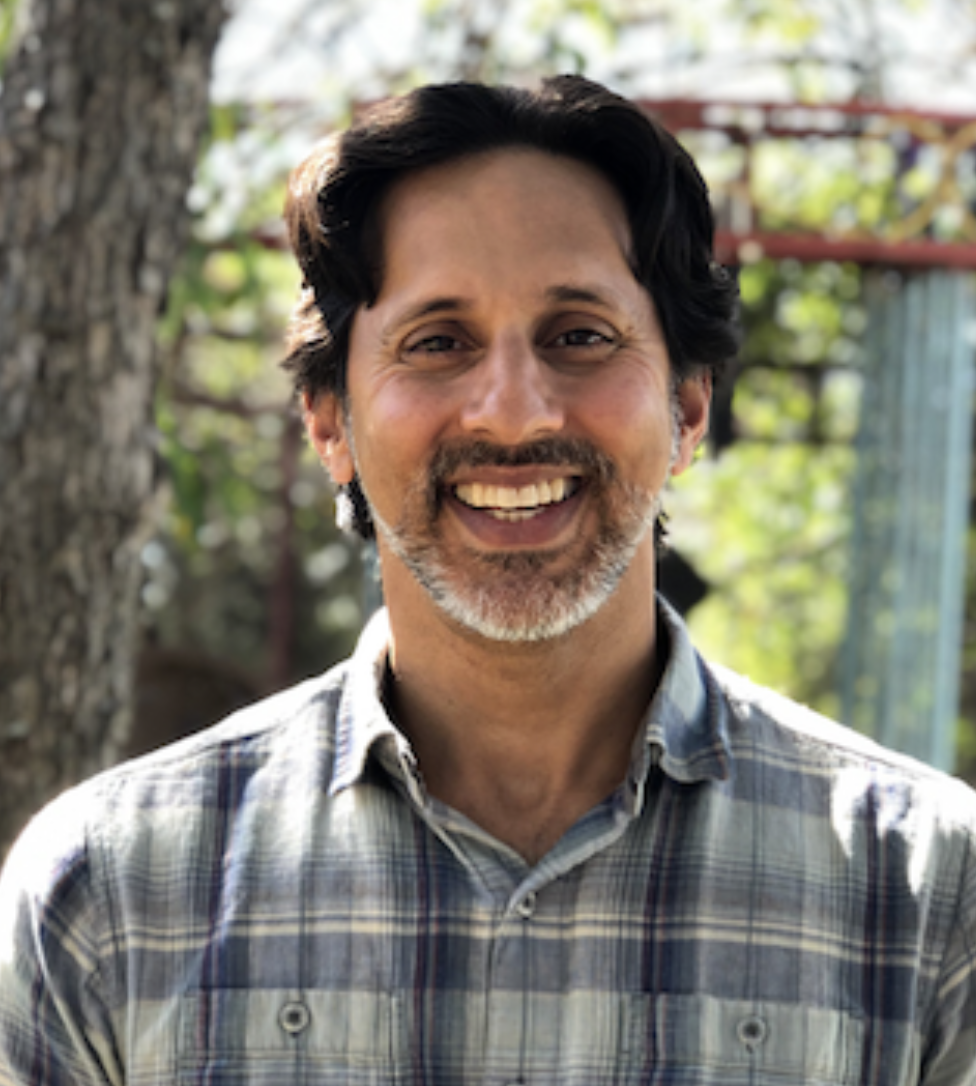
SOMATIC PSYCHOLOGY & TRADITIONAL CHINESE MEDICINE
Rupesh Chhagan CHP, TCMP
Hakomi Trainer & Practitioner
As a Certified Hakomi Teacher and Practitioner, licensed Acupuncturist, and Herbalist with over 20 years of experience, I specialize in the connection between trauma, emotional patterns, and physical health.
I offer online Hakomi and herbal consultations, as well as in-person Hakomi, acupuncture, and herbal medicine. My approach is collaborative, mindful, and inclusive, welcoming BIPOC clients, spiritually oriented individuals, and those navigating the complexities of family life.
PSYCHOTHERAPY, COACHING
Dominique Lando M.A., M.F.T., CHT
Hakomi Trainer & Practitioner
Offers psychotherapy with individuals as well as executive coaching. Dominique also works as a facilitator, coach and consultant within organizations, to support thriving partnerships and teams. She is currently sees clients in British Columbia and California.
SOMATIC PSYCHOLOGY
CLINICAL COUNSELLOR
Beth Falch-Nielsen R.C.C., CHT
Beth is Hakomi Trainer/ Mentor, and has been in the counselling field for over 40 years and in private practice for over 30 years. She specializes in Hakomi Therapy with individuals, and experiential couples work.